Church crawls: with a few pubs thrown in.
In my last couple of posts, I described two walks in the Lake District that gave my spirits a much-needed lift. It was my intention that these walks, which I called “Over The Hill Hikes” (OTHHs) – because of their suitability for the older walker – would be the first in a series of walking routes covering both the Lakes and Dartmoor. This post introduces the first Over The Hill Hikes on Dartmoor.
My themes
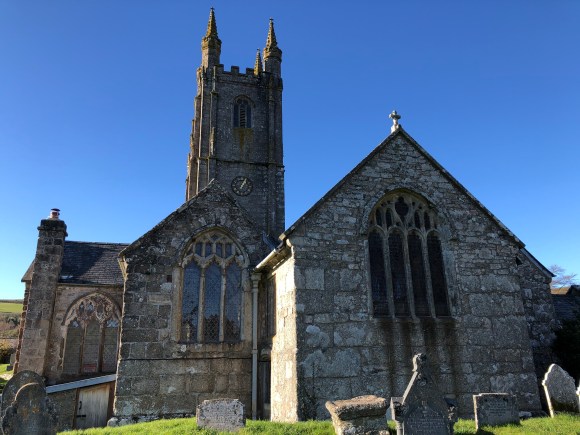
For the first Dartmoor walks, I have taken as my principal theme the atmospheric and attractive old churches found in wild, beautiful locations all over the moor, particularly around its borderlands.
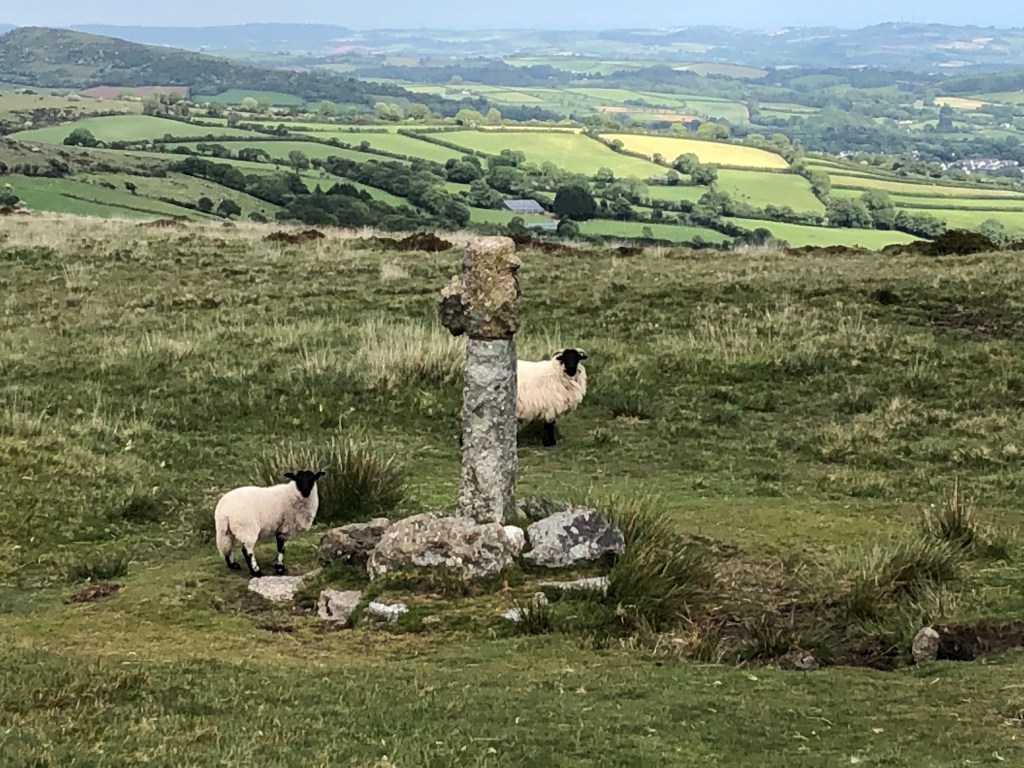
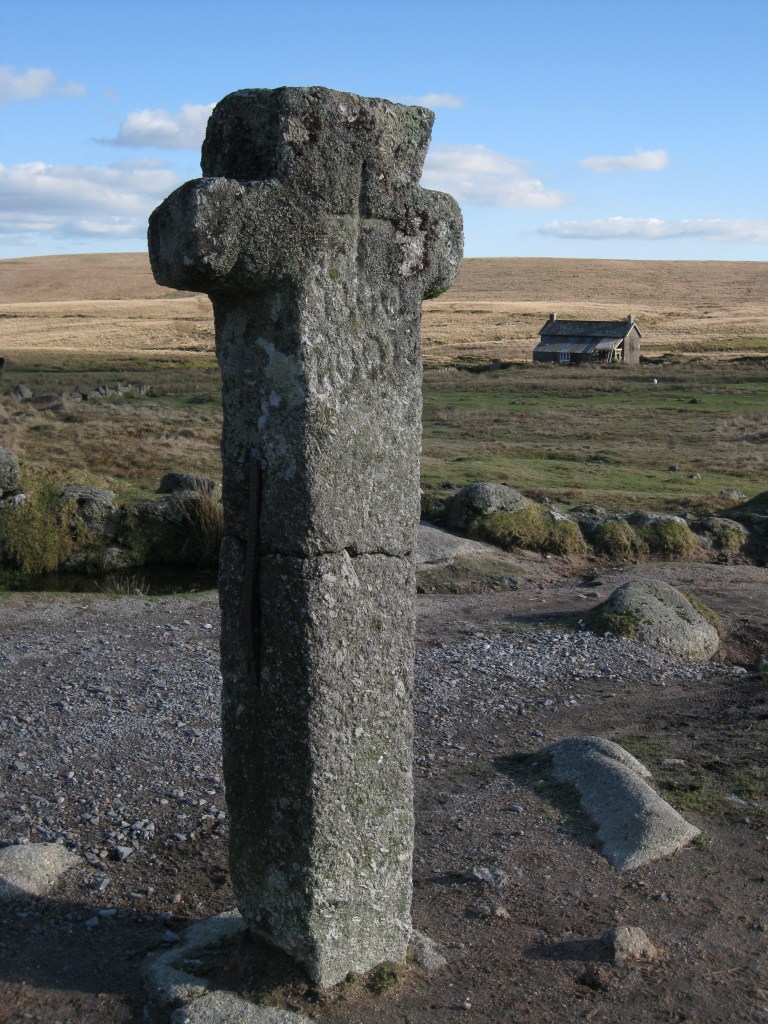
Two subsidiary themes are also explored: old village pubs, for post-walk refreshment and the wealth of antiquities and industrial archaeology sites scattered across the moor and seen on many of the walks.
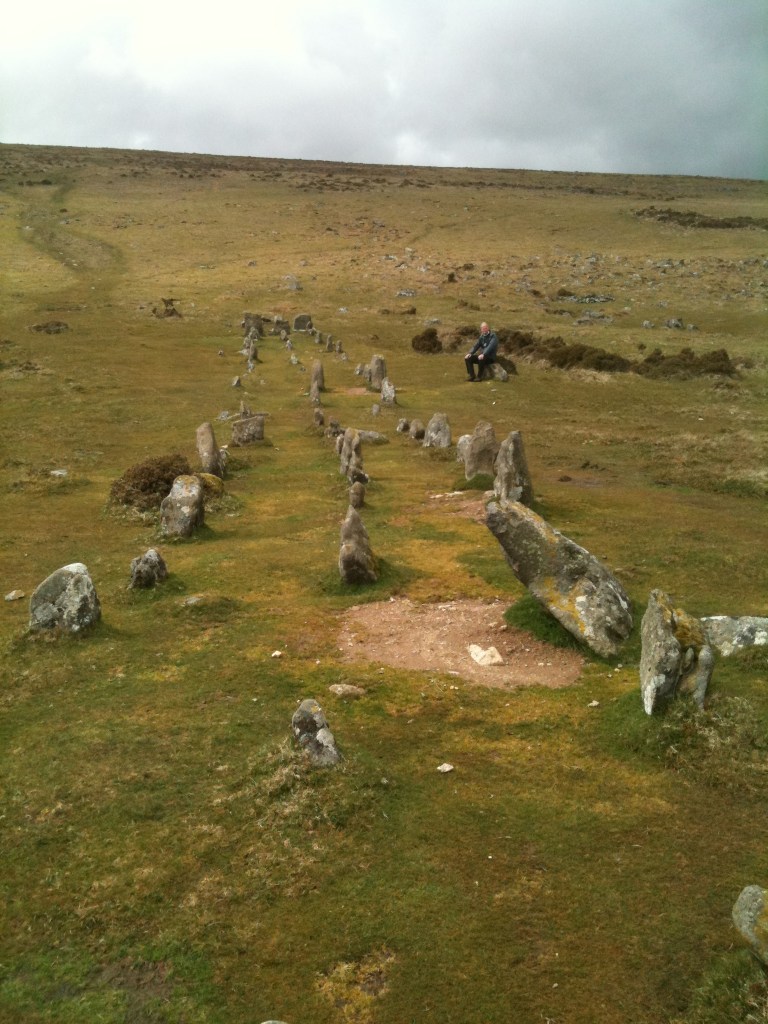
East of Cosdon Hill
In his “Dartmoor Companion”, George Thurlow estimated that there are over forty churches within the national park. They are a prominent feature of the landscape – their imposing towers providing landmarks for hikers to navigate by and “instagrammable” photo-ops for tourists. So, I was spoilt for choice when selecting churches to feature on my walks: my selection process was guided by three questions;
- first and foremost, is the church interesting enough to merit a visit?
- is it situated at the start, finish or along the route of a decent walk? And last but not least,
- is it close to a good village pub?
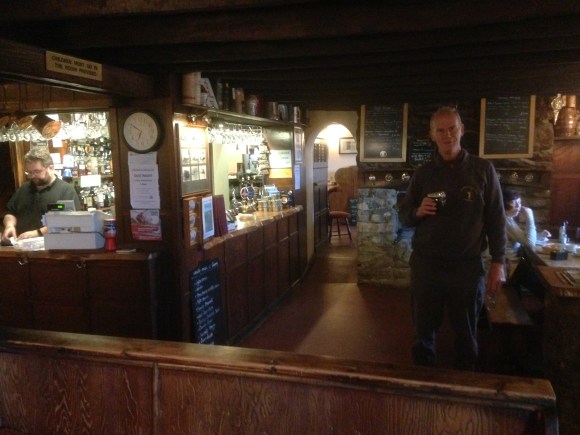
On the last criterion, although many fine village pubs have gone to the wall – a process accelerated by the pandemic – some moorland villages still conform to the traditional model with a pub next door, or close, to a church. At one time a post office was another essential ingredient of a village, but those days have sadly long gone.
Like earlier OTHHs, the walks are devised for those well past the first flush of youth: indeed, they’re for those whose next visit to a church might well be in a box rather than an anorak.
Why churches?
Despite being fascinated by the history and architecture of old churches, abbeys and cathedrals, along with the works of art they contain, I’m a humanist, who spends far more time praising the altar of the beer pump than worshipping in a more conventional setting.
It’s not unreasonable to ask why, if I’m not ‘religious’, am I so charmed by churches? For me, they are not simply places of worship but museums that embody the long history of the people who lived, loved, grieved and worked in the villages served by them.
Today, church attendance is dwindling and is often confined to the great rituals of baptism, marriage and funeral. But in times past the church was the beating heart and social hub of the community, with a much broader focus: and also, at times, a power that rivalled and sometimes ran into conflict with secular authorities.
Unlike our great cathedrals, where the lives and histories of the rich and famous are commemorated, humble parish churches embody the stories of the common people. Like Thomas Grey’s tombstone, the church tells of “homely joys and destiny obscure……… the short simple annals of the poor.”
If their overwhelming presence in British social history wasn’t enough to attract a non-believer like me, they are also storehouses of arts, craft and architecture. All in all, they are a key link with the past.
Dartmoor churches today
Visiting churches over the past few years of austerity, pandemic and cost of living crisis, I’ve been heartened by how many are supporting the disadvantaged in their communities: filling gaps left by inadequate state provision by organising food banks, lunch clubs and other “social services” for the underprivileged, lonely and elderly.
I also find that, despite my lack of faith, I feel in churches a rare sense of peace and tranquillity. I don’t know if this feeling can be described as ‘spiritual’, but whatever it is I think we could all do with a bit more of it. In short, I think you can make a good case for visiting churches without once mentioning religion.
My walks will explore this rich tapestry of history, architecture and stunning locations in all its variety and take us from the intricately decorated and beautifully ornate Buckfast Abbey, via grade one listed parish churches in out of the way places, to the site of a remote open-air chapel high on the wild and windswept south moor. Oh, and we’ll drink in outstanding pubs and be awestruck by fascinating reminders of ancient history along the way.
A serious house on serious earth it is,
From “Church Going, Philip Larkin
In whose blent air all our compulsions meet,
Are recognised, and robed as destinies.
And that much never can be obsolete,
Since someone will forever be surprising
A hunger in himself to be more serious,
And gravitating with it to this ground,
Which, he once heard, was proper to grow wise in,
If only that so many dead lie round.
Click here for the first Dartmoor OTHH: a ramble from Fingle Bridge along the spectacular Teign Valley, visiting Castle Drogo and Drewsteignton, with its 15th century church.
SOURCES
In researching these posts I have relied heavily on a number of excellent publications. I would recommend all of them to anyone interested in delving deeper into the wonderful world of Dartmoor and its rich history;
- George Thurlow: Thurlow’s Dartmoor Companion (written by a national park guide, this beautifully illustrated book “describes the different aspects of the moor, from geographical features and wildlife to prehistoric sites and industrial archaeology”)
- Helen Harris: The Industrial Archaeology of Dartmoor (a definitive and user-friendly guide)
- Eric Hemery: Walking Dartmoor’s Ancient Tracks (a definitive guide to the history and routes of ancient trackways – and much else along the way)
- John Hayward: Dartmoor 365 (a true labour of love, this book divides Dartmoor into its original 365 square miles and provides walks and at least one item of interest in each of them. A delight.)
- Samuel Rowse: A Perambulation of Dartmoor (first published in 1848 and revised since, this is one of the definitive works on Dartmoor and its prehistory. It is also a fascinating insight into how the moor and its attractions were perceived in those far-off times)
- Josephine M Collingwood: Dartmoor Tors Compendium (an incredibly accessible glossary of 155 tors and places of interest surrounding them)
- Stephen H Woods: Dartmoor Stone (wonderful photographs illustrate “the evidences of man in his moorland environment”.)
The following websites have also proved invaluable in writing my blog;
- Tors of Dartmoor. The definitive list of lesser and well-known tors.
- Legendary Dartmoor. A wealth of fascinating stories.
- The megalithic portal. A data base of ancient sites throughout Europe.
- Prehistoric Dartmoor Walks. Does what it says on the site!
Discover more from Over the hill - on Dartmoor & in Lakeland. I
Subscribe to get the latest posts sent to your email.

